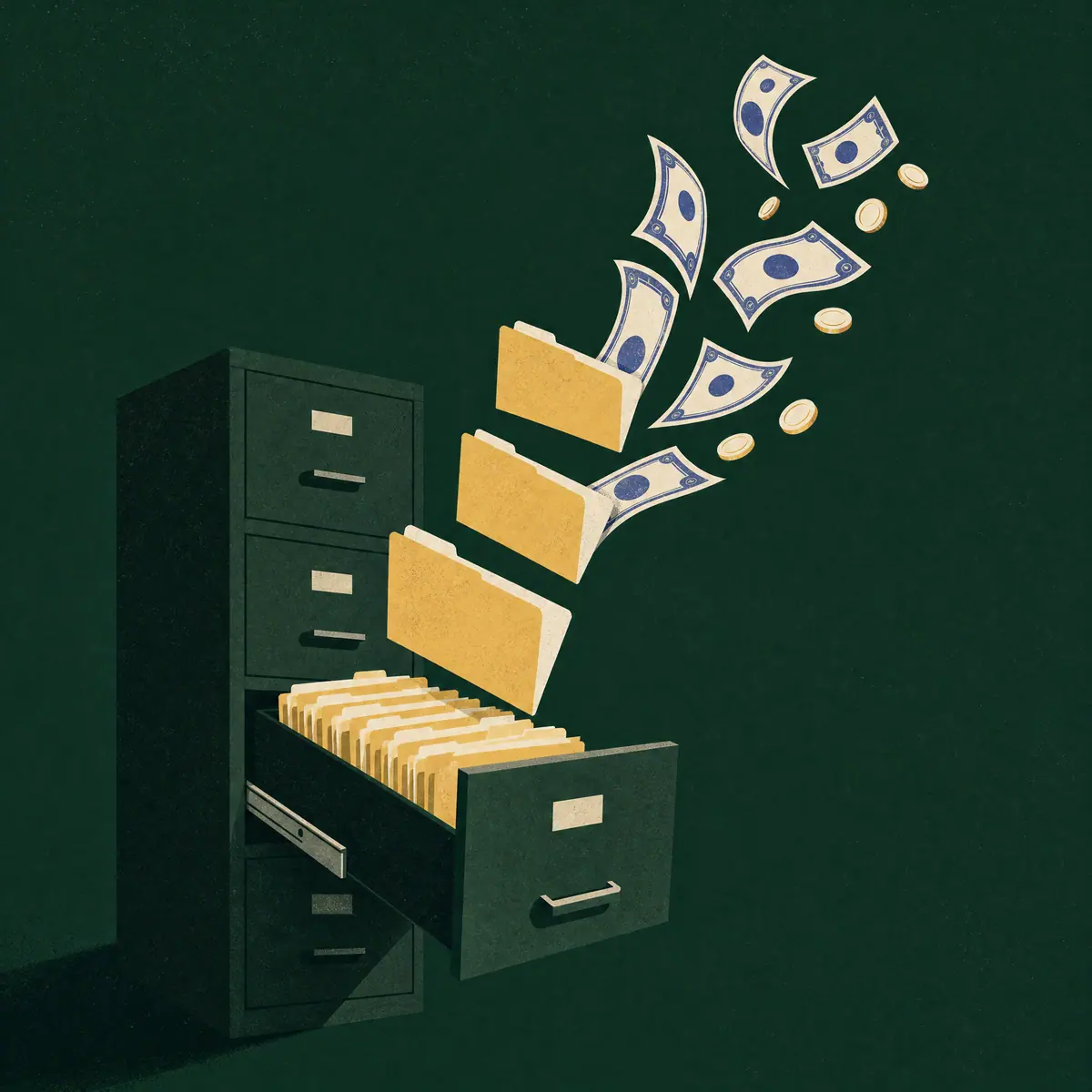
What goes in the sale, and what stays out.
Buyers want to see a job done from start to finish. They don't want your customers.
Goes in
- A support ticket, from the first message to the fix
- A load, from the quote to the delivery receipt
- A work order, from the request to the sign-off
- Code, with the reviews and bug reports behind it
- The procedures your team really follows
- Bids, specs and reports from finished projects
Stays out
- Customer names, emails, phone numbers and addresses
- Anything a contract says you can't share
- Card numbers and bank details
- Health records
- Passwords, keys and logins
- Anything you tell us to leave out
What sells, by the kind of company you run.
- IT services and support
- Closed help-desk tickets, the fix notes behind them, runbooks and setup guides.
- Software
- Private code with its review history, bug reports, closed support tickets.
- Logistics and trucking
- Shipment and dispatch records, rate quotes, claims and how they were settled.
- Manufacturing
- Work orders, quality and inspection reports, maintenance logs, written procedures.
- Construction and engineering
- Bids, specs, change orders, daily reports from finished jobs.
- Roofing, solar and the trades
- Estimates, job notes, service tickets, inspection reports, the texts between the office and the crew.
- Marketing and creative agencies
- Client briefs, campaign reports, creative feedback threads, proposals.
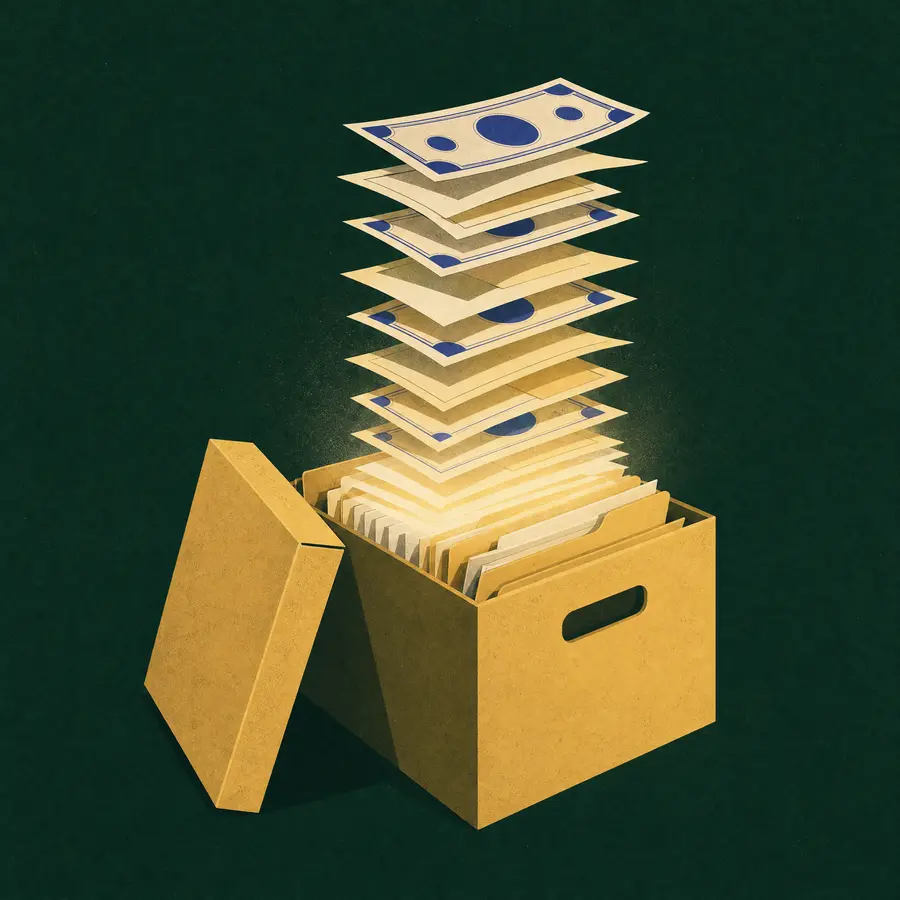
How a sale works.
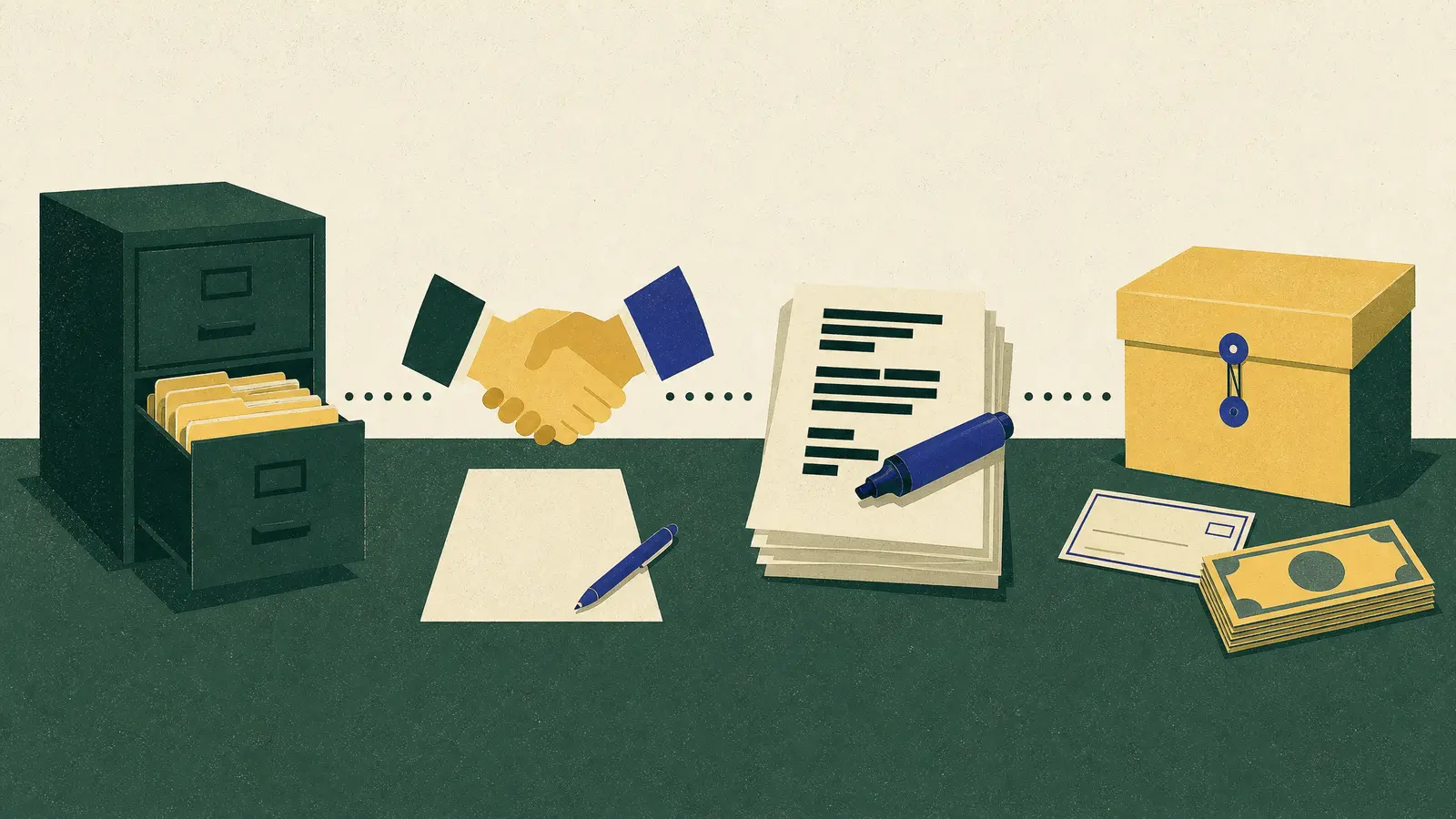
See a rough range
Use the estimator at the top of this page. It takes about a minute.
Talk to us
A 20-minute call. We both sign an NDA, then you show us a small sample.
We clean it
We take out names, contact details and anything that points to a person or a customer. You approve the cleaned copy.
We sell it
We take it to buyers. When one buys, you get paid and we keep a share. If nothing sells, you owe nothing.
Why anyone pays for old tickets.
AI models learned from the public internet. What they have not seen is how real work gets done inside a business: the back and forth with a customer, the checks before a job is signed off, the fix that finally worked.
That record only exists inside companies like yours. It sits in your help desk, your dispatch system, your shared drive. So AI companies have started to buy it.
Most owners never hear about this, because the buyers go through brokers. Backfile is a broker. We find the records, clean them and take them to the buyers.
What we put in writing
- Nothing leaves your company until you sign off on it.
- You see the cleaned copy before any buyer does.
- You keep your records. A buyer gets a license to a copy.
- You know who the buyer is, and you can say no.
- No fee upfront. We are paid from the sale.
Questions owners ask.
Who are the buyers?
Companies that build AI models, and the data firms that supply them. We tell you who the buyer is before any sale. If you don't want to sell to them, you don't.
What about my customers' privacy?
Their names and details come out before a buyer sees anything. If a contract with a customer says their records can't be shared, those records stay out. We go through your contracts with you on the first call, before you send us anything.
Do I lose my data?
No. You keep everything, and your business runs exactly as it does today. The buyer gets a license to a cleaned copy.
What does it cost me?
Nothing upfront. We keep a share of the sale price, and we agree on that share in writing before we start. If nothing sells, you owe nothing.
How much work is it for my team?
An export from the systems you already use. We tell you which export to run. The cleanup is our job.
How accurate is the estimate?
It is a rough range. We build it from prices that data buyers and brokers have quoted publicly, then adjust for your size, your years of records and the kinds you have. The real number depends on what is in a sample, and it can land above or below the range.
Is my company too small?
Bigger companies usually have more to sell, but how complete your records are matters too. Run the estimator. If it isn't worth your time, we'll tell you so on the call.